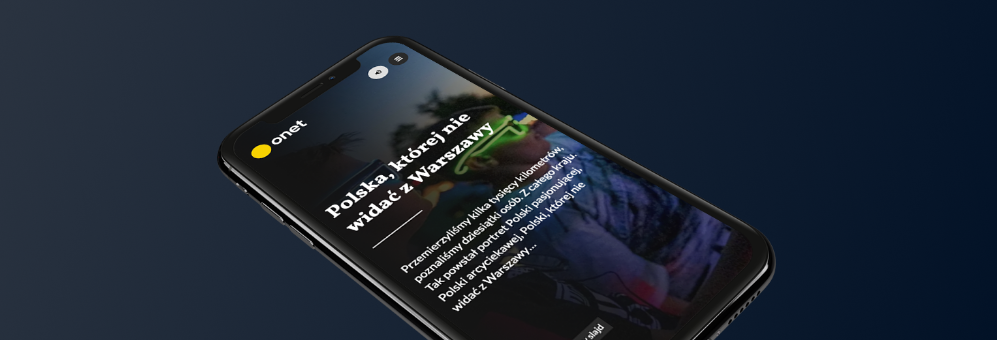
Onet.pl - interactive reportages
We were asked to design and code multimedia reportages. The result of the work is a web application...


Tryckakuten Sverige AB, established in 2005 and based in Gothenburg, specializes in a wide range of printing services, including paper printing, profile advertising, large-format products, display systems, textile printing, and plastic cards. The company primarily serves the Swedish market but also caters to international clients, delivering services globally. Tryckakuten+ offers a fast and flexible web-to-print service for businesses with regular print orders. The company adheres to ISO 9001/14001 quality and environmental management standards, ensuring systematic improvement of processes.
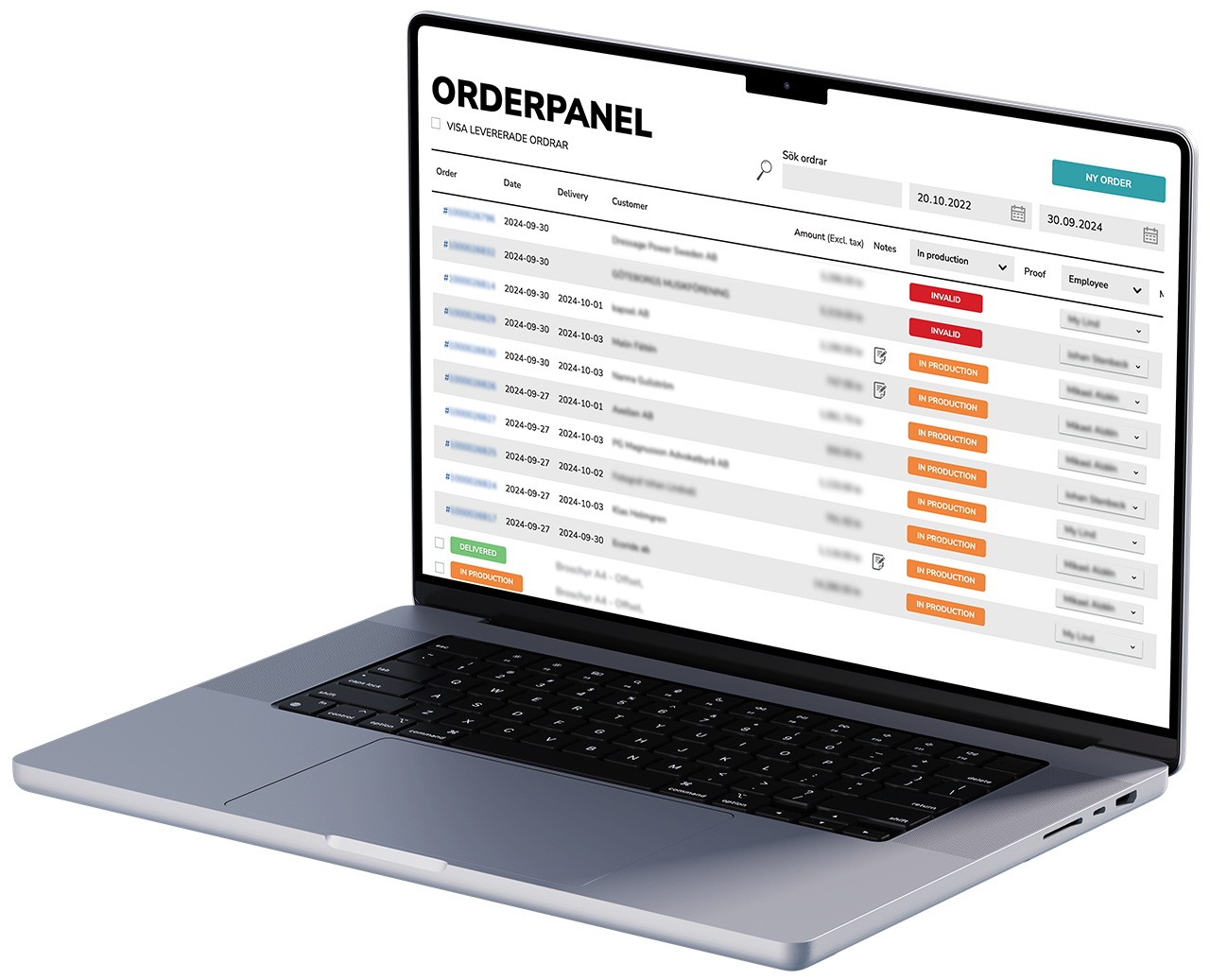
We start by gaining a deep understanding of the client's needs and project goals to deliver personalized solutions.
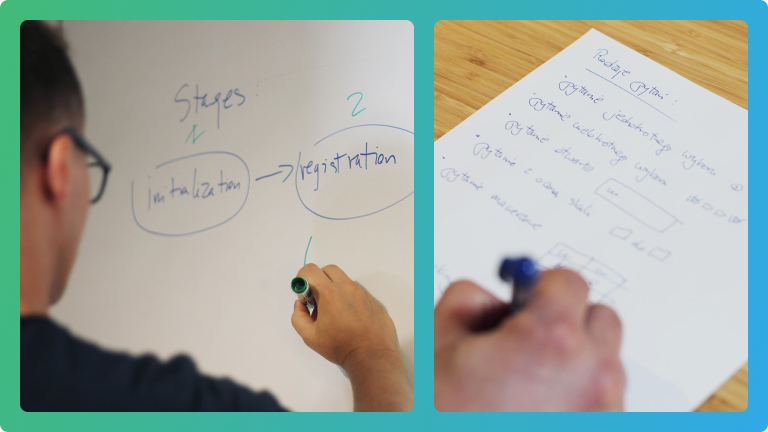
We conduct a detailed technology audit, identifying the best tools and solutions tailored to the project's needs.
We create responsive and dynamic user interfaces, leveraging the latest front-end technologies.
We design and implement efficient and scalable databases, providing a robust foundation for your website.

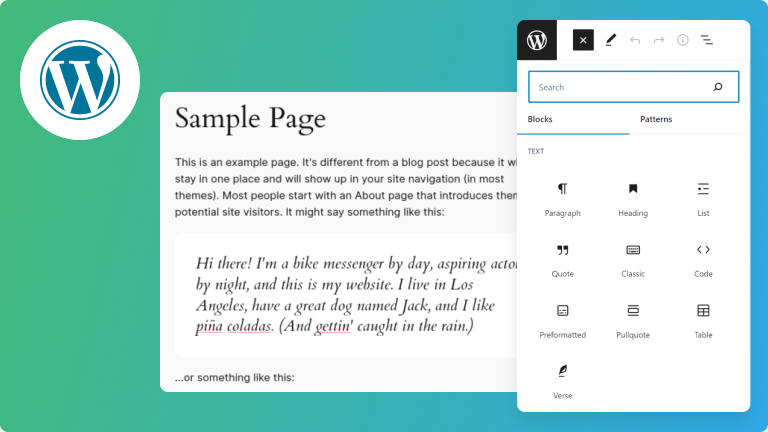
We build websites based on the popular content management system WordPress, customizing them to meet the client's individual needs.
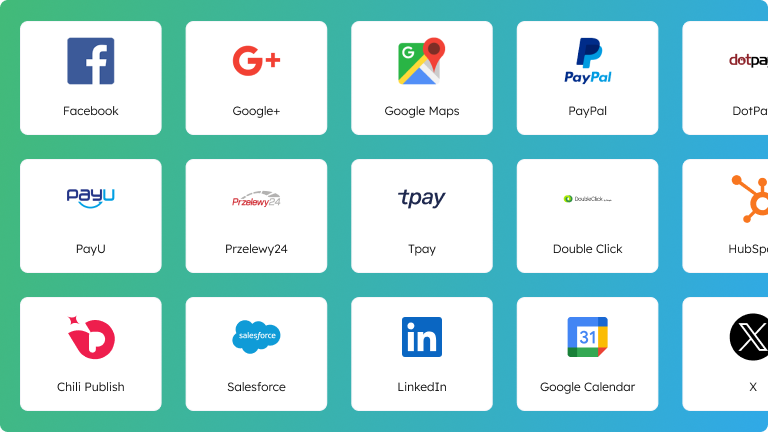
We integrate various systems and tools, ensuring smooth interaction between them and optimal performance of the entire website.
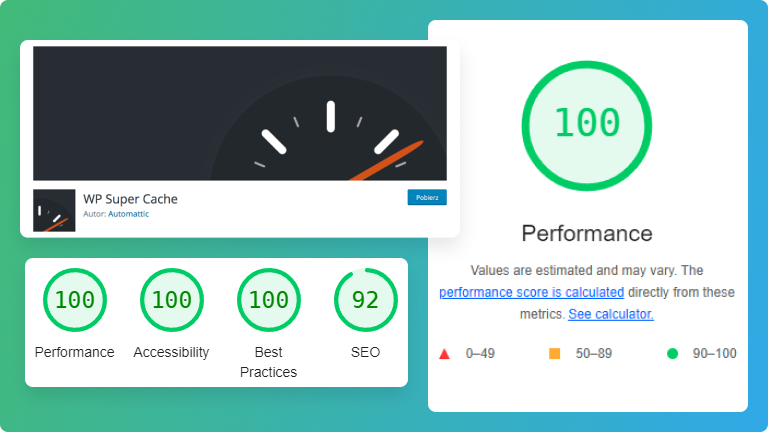
We ensure optimization for search engine rankings, security, and page loading speed.
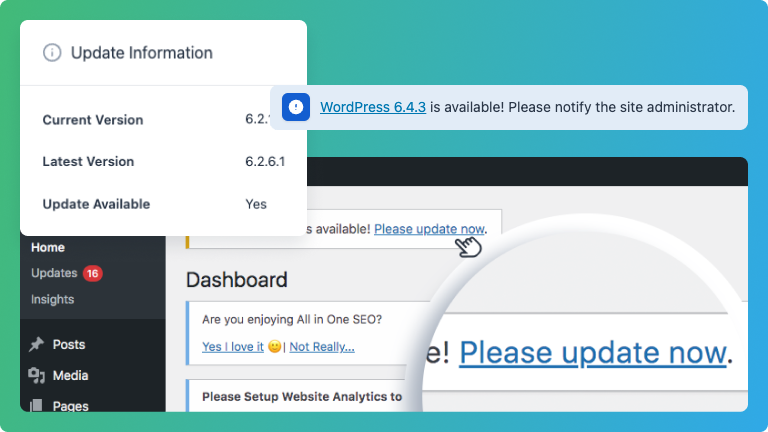
We provide regular technical support and maintenance for the website, ensuring its continuous availability and performance.
We conduct comprehensive manual testing, verifying the functionality of each feature on various devices available on the market, ensuring flawless operation and high product quality.
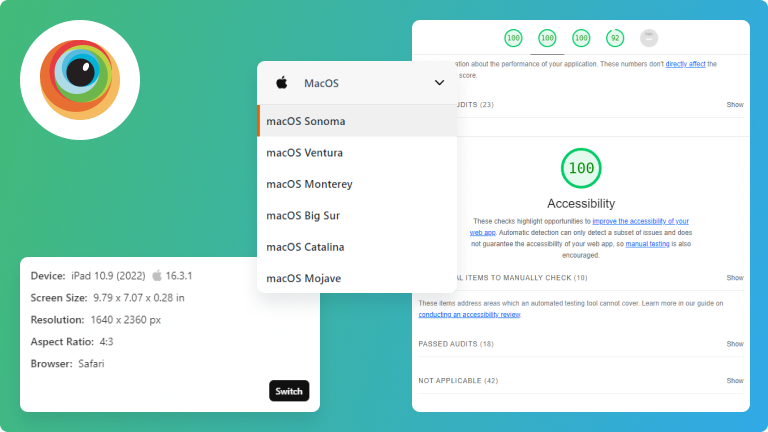
We deploy the website on the production server, ensuring a smooth process and minimizing potential disruptions.

We design and implement e-commerce stores based on the WooCommerce platform, providing comprehensive and tailored solutions to meet your requirements.
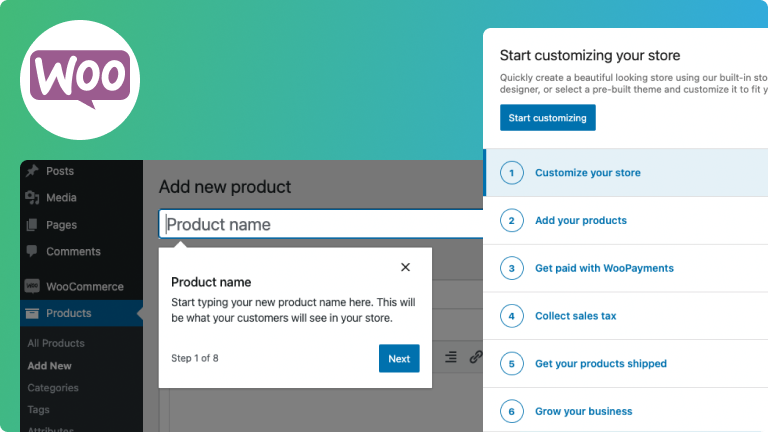
We provide a 12-month warranty on the work performed, ensuring clients complete security and confidence in the functioning of the website after its launch.
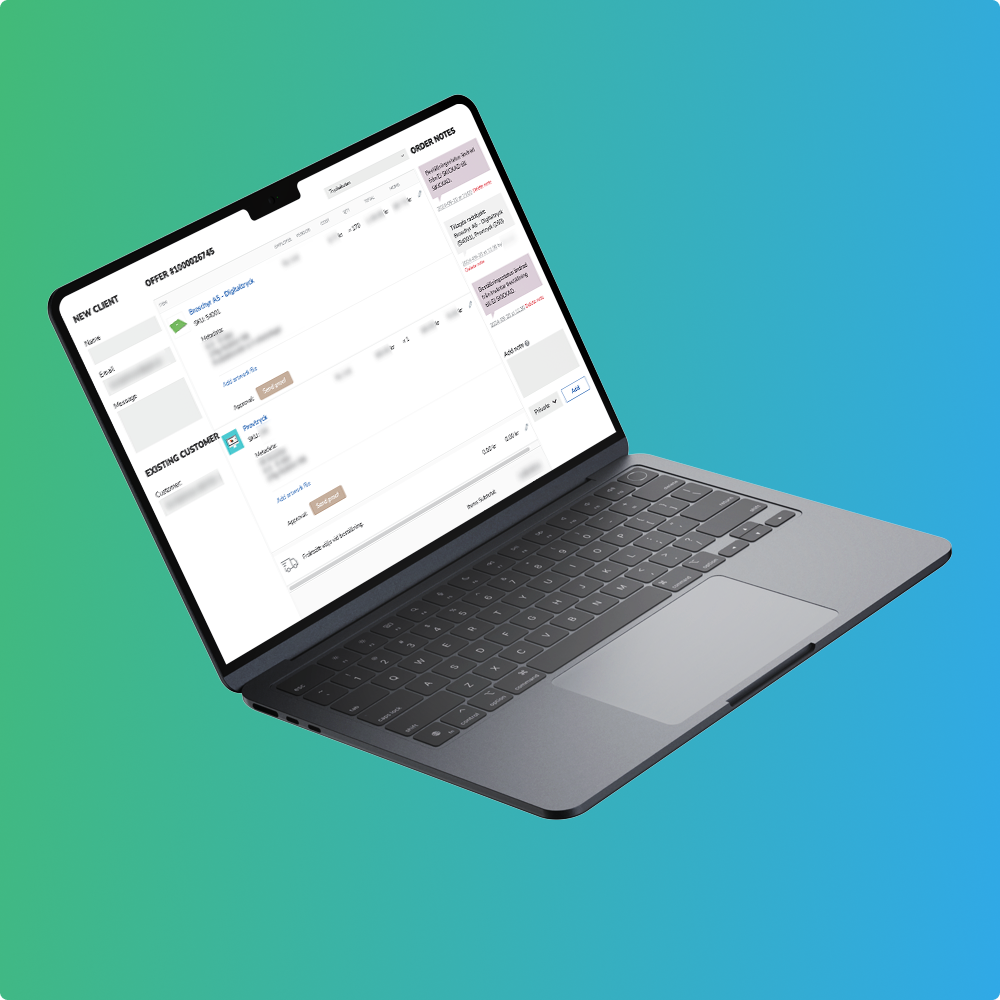
The website featured integration with the PF Concept catalog for product personalization, enhancement of the wp2print plugin for advanced printing options, creation of an integrated order and print management system with WooCommerce, and integration with the Fortnox CRM.
The project utilized WordPress multisite, enabling several stores to operate on a single WordPress installation with a unified management panel.
Communication with the client was conducted via Basecamp, where new tasks were added, allowing clear definition of requirements and priorities. Ongoing communication within each task facilitated the exchange of details, feedback, and questions. Online meetings were held to discuss progress and resolve issues.
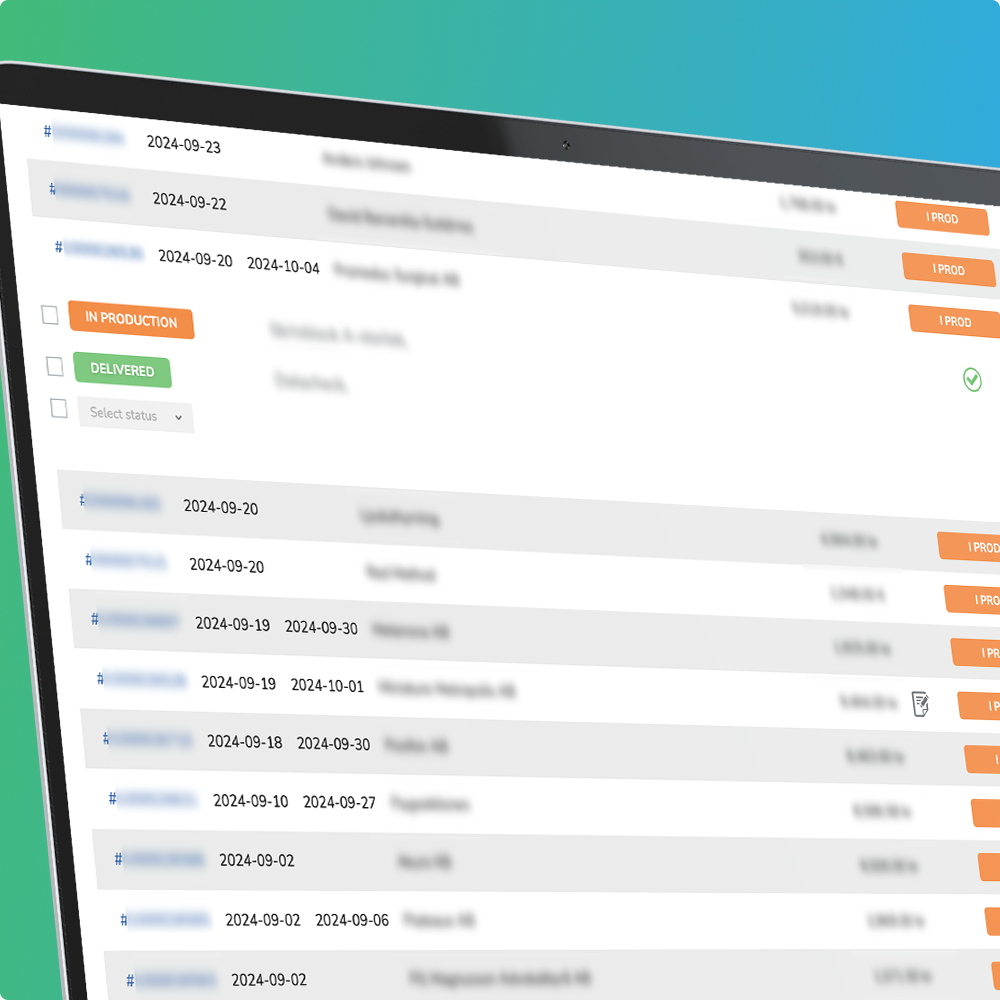
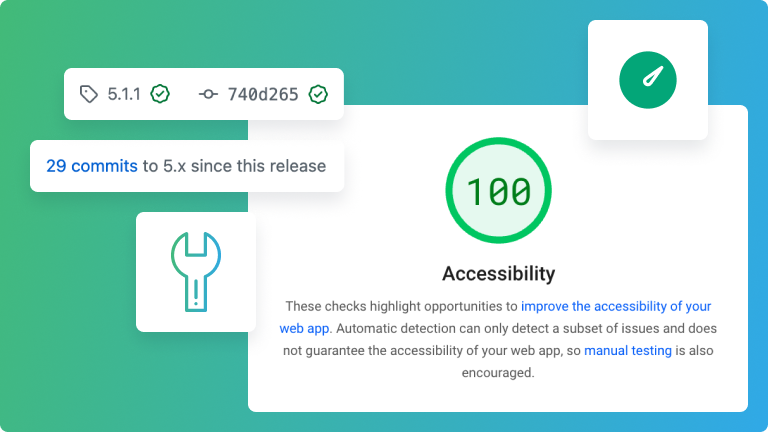
When we took over the project, there were some performance issues due to heavy code elements and lack of caching. To address these challenges, we optimized the code, implemented caching solutions, and made adjustments to improve Google PageSpeed metrics, resulting in a 30% improvement in performance indicators.
Optimizations reduced page generation times by 30-50%, significantly enhancing system performance and reliability.
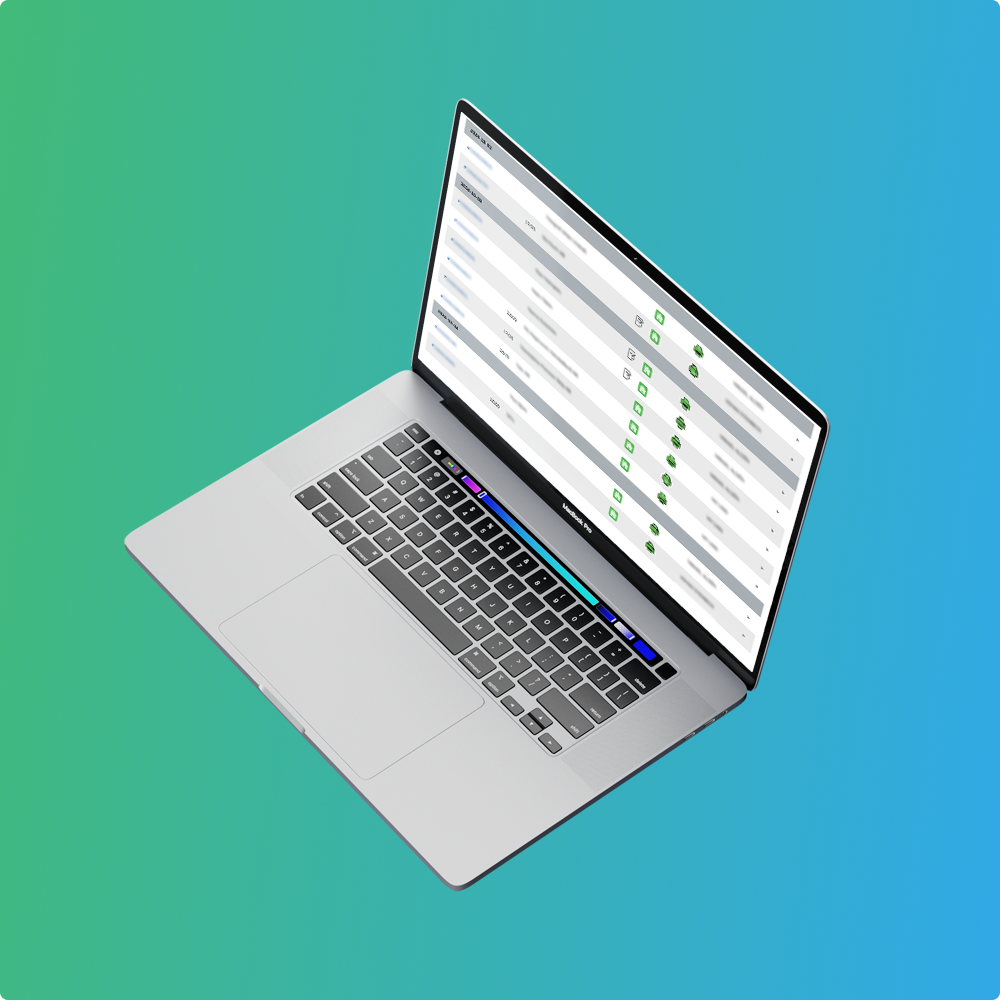
The collaboration with Tryckakuten Sverige AB focused on enhancing system performance, reliability, and user experience for their web-to-print service. By addressing performance issues through code optimization and caching solutions, we achieved a substantial improvement in system efficiency, reducing page generation times significantly. Moving forward, our ongoing support will include continuous monitoring, updates to maintain security and performance standards, and iterative development of new features to meet evolving user requirements effectively.